.png)

Sober Sleep Solutions: Getting Rest Without Substances

Written by Laurél Kimpton, MPS, LADC
Your New Relationship with Sleep

Let’s be honest — quality sleep can be tricky enough even when life is smooth sailing. But take away the substances that used to “help” you unwind, and suddenly bedtime can feel like a battlefield. You’re tired but wired. Your body’s ready for rest, but your mind is throwing a rave. You just want that hamster off the wheel!
If this sounds familiar, you’re not alone. Many people in early recovery or long-term sobriety struggle to fall asleep, stay asleep, or wake up feeling rested. The good news? You don’t need to return to old habits to get your ZZZs. With a bit of patience, some body-mind awareness, and a few holistic practices, you can rediscover what natural, nourishing rest feels like.
This guide explores practical and holistic ways to get real, restorative sleep—no substances required.
Understanding Sleep Disruption in Sobriety
When you stop using substances, your body enters recovery mode—physically, mentally, and emotionally. That’s a lot of recalibration happening all at once. Substances like alcohol, opioids, or stimulants interfere with the brain’s natural production of sleep-regulating chemicals such as melatonin and GABA. They alter your circadian rhythm—the internal clock that decides when you feel awake or sleepy. So, when you remove the substance, your brain has to relearn how to do that job on its own.
Common issues include:
• Trouble falling asleep (insomnia)
• Vivid or unsettling dreams
• Restlessness and anxiety at bedtime
• Feeling groggy even after what should have been enough sleep is frustrating, yes. But also temporary. Think of it as your body’s version of rebooting after a long, messy system update. It just takes a few nights (or weeks) to start running smoothly again.
Mind-Body Practices to Support Restful Sleep
Yoga: Unwind Before You Recline
Yoga isn’t just for Instagram influencers who can fold themselves into pretzels. It’s for anyone with a body and a desire to feel calmer. Gentle evening practices—like restorative or yin yoga—help quiet the nervous system and release tension stored in the muscles. A quick Google search will show you what these positions look like; give this a try: Before bed, spend 10–15 minutes in Legs-Up-the-Wall Pose (Viparita Karani) or Child’s Pose. Pair that with slow, deep breathing—inhale for a count of four, exhale for six. (The number of breaths is not as important as having your exhale be longer than your inhale.) Your parasympathetic nervous system (the “rest and digest” mode) will thank you.
Tai Chi and Qigong: The Art of Slow Flow
These ancient Chinese movement arts are like meditation in motion. The slow, flowing movements of Tai Chi and Qigong help balance your body’s energy (Qi) while grounding scattered thoughts. Regular practice improves focus, reduces anxiety, and can make falling asleep easier—especially for those who find sitting meditation challenging. It’s mindfulness… but with choreography. A quick YouTube search for beginner routines will get you going in the right direction! Here is a short, four minute routine found on YouTube for a restful night's sleep by Begin with Breath Tai Chi here.
Guided Meditation and Breathwork
If your mind is the kind that likes to replay old conversations and invent new worries at 2 a.m., meditation can help press the “pause” button.
Start with a short guided sleep meditation or box breathing technique:
• Inhale for 4 counts
• Hold for 4
• Exhale for 4
• Hold again for 4
Do this for five minutes and you’ll feel your system slow down like someone dimming the lights in your mind. You can find many great guided sleep meditations on YouTube also! Here is a 10 minute guided meditation for sleep and relaxation found on YouTube by Boho Beautiful Yoga click here
Holistic Therapies for Deep Sleep
Acupressure and Acupuncture
If you’ve ever felt like your body holds tension in mysterious places (neck, jaw, shoulders—we see you), acupuncture and acupressure can be game-changers. These techniques target specific points on the body to rebalance energy flow and calm the nervous system.
A few acupressure points you can try at home:
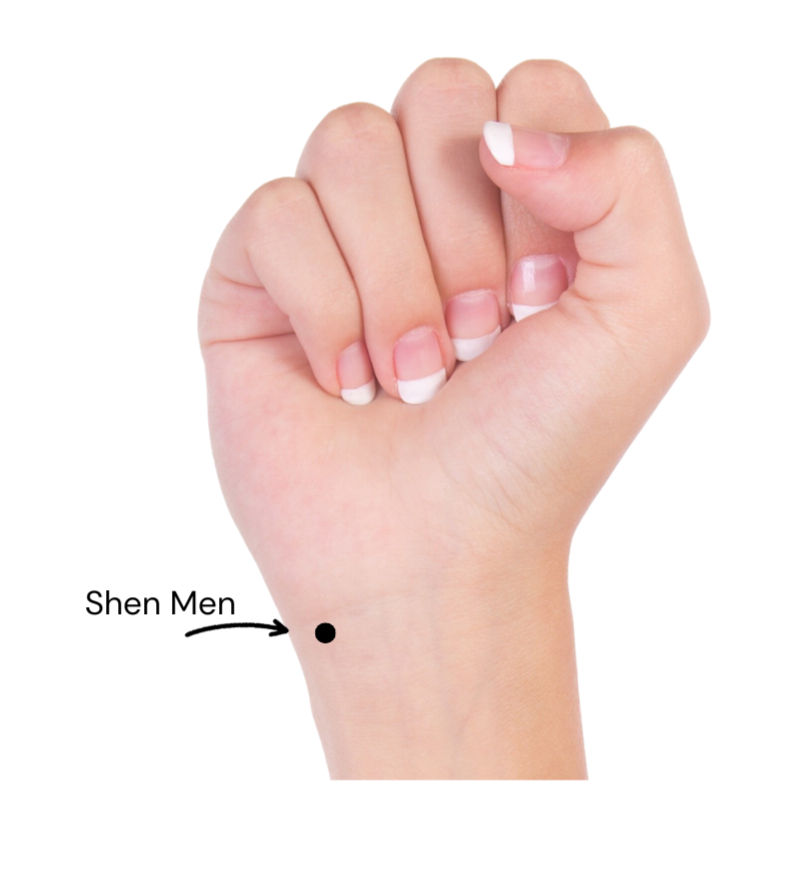
• Shen Men (Spirit Gate) – Located on the inner wrist; gently press to reduce anxiety and racing thoughts
.• Anmian (Peaceful Sleep) – Found just behind the ear; massaging this area can help with insomnia.
Even just a few minutes of focused acupressure before bed can invite the body into a state of ease.
Aromatherapy and Essential Oils
Your sense of smell has a direct connection to the limbic center of your brain; which, among other things, helps to control your emotions. That’s why a whiff of lavender or chamomile can make you feel instantly calmer.
Popular sleep-supportive oils include:
• Lavender: The classic—relaxes the nervous system.
• Roman Chamomile: Reduces tension and supports emotional balance.
• Vetiver: Earthy and grounding for restless minds.
• Sandalwood: Promotes calm focus and deep rest.
Diffuse them in your room, add a few drops to a warm bath, or make a pillow spray with distilled water and a couple of drops of oil. (Just avoid overdoing it—your goal is tranquility, not an aromatherapy explosion.) Dr. Josh Axe explains using essential oils for sleep and how to use them, take a look here
Herbal and Nutritional Support
Certain herbs and nutrients can gently support your body’s sleep mechanisms:
• Magnesium glycinate: Known as the “relaxation mineral,” it helps ease muscle tension and supports deeper sleep.
• Chamomile or valerian root tea: Soothing and non-habit-forming.
• L-theanine: An amino acid found in green tea that promotes calm focus without drowsiness.
Dr. Josh Axe shares 7 ways to get better sleep that includes foods, supplements, and creating a sleep routine (discussed below also) that will have you sleeping better, check his video out here
Remember, “natural” doesn’t always mean right for everyone. Check with your healthcare provider before adding new supplements—especially if you take medications.
Creating a Sober Sleep Routine
Now for the practical stuff—your nightly ritual. Building a consistent bedtime routine trains your brain to associate certain cues with rest.
1. Create a Sleep Sanctuary
Keep your bedroom cool, dark, and quiet. Invest in a comfortable pillow and blankets that feel inviting. Limit screen time an hour before bed—yes, that includes scrolling recovery memes. The blue light from devices messes with your melatonin production.
2. Keep a Consistent Schedule
Go to bed and wake up at roughly the same time every day, even on weekends. It’s not glamorous, but consistency helps reset your circadian rhythm faster than any supplement can.
3. Journal or Reflect
Try jotting down a few thoughts or feelings before bed—what went well, what you’re grateful for, what you’re letting go of. It’s like clearing mental clutter so you can drift off with a lighter mind.
4. Unwind Intentionally
Develop a “wind-down” ritual: maybe a cup of tea, a few gentle stretches, some calming music, or a short meditation. Your nervous system will start to recognize this pattern as a signal that it’s safe to rest. This also means you will need to tame the night-time munchie beast! All that snacking before bed actually hinders your body's ability to nod off because you flipped the switch for your digestive system on which has cranked up your internal oven to process all those morsels you just chowed. So, stick to a cup of caffeinated herbal tea (Lavender/Chamomile is my personal favorite) and skip the snacking before bed.
5. Age Matters
If you are 60 years or older you will need a few more tips to help you slip off into slumber. Sleep for individuals considered “senior status” can seem illusive but research has shown that adding a few simple movements prior to bed daily can significantly improve your ability to fall asleep and stay asleep. This podcast helps explain how you can get snoozing fast click here to learn more.
When to Seek Extra Support
If you’ve been consistent with these strategies but still can’t find restful sleep, it might be time to seek additional help. Chronic insomnia, nightmares, or severe anxiety around bedtime could signal an underlying issue that benefits from professional support. Talk to your healthcare provider or a licensed therapist who understands addiction recovery and may be trained in a technique called CBT-I; which stands for Cognitive Behavioral Therapy for Insomnia. There’s no shame in asking for help—getting quality rest is a vital part of your overall healing.
Key Takeaway
Sleep in sobriety doesn’t have to feel like a lost art form. With patience, intention, and a holistic approach, your body will remember how to rest naturally.
Practices like yoga, tai chi, acupuncture, and aromatherapy offer powerful ways to calm both the mind and body without relying on substances. Creating a consistent sleep routine—paired with self-compassion and humor on the tougher nights—sets the stage for true restoration.
Better sleep means more energy, sharper focus, improved mood, restorative cellular healing, and, most importantly, greater resilience in recovery. So, light that lavender candle, roll out your yoga mat, and give your body permission to exhale. You’ve earned it.
Laurél Kimpton, MPS, LADC, is the founder of Indigo Recovery LLC, an independent addiction counseling practice in Minnesota. With over five years of experience in addiction treatment and nearly two decades as an Integrative Wellness Specialist and Coach since 2008, Laurél brings a holistic approach to recovery. Her work is driven by a deep passion for integrative health and genuine compassion for those on their healing journey.
Comments